
Can You Take the Heat? Summer Testing Turf Systems
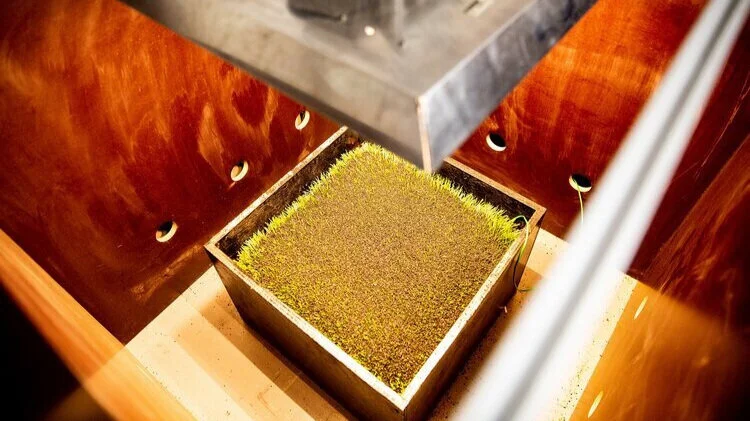
As the season changes across the United States and Europe, thoughts are turning to hot summer days. The heat in some regions can be a problem for artificial turf fields because as temperatures rise, so does the surface temperature of artificial turf. FIFA have a unique test available which classifies turf systems according to an […]
Testing Athletic Fields in the United States Market
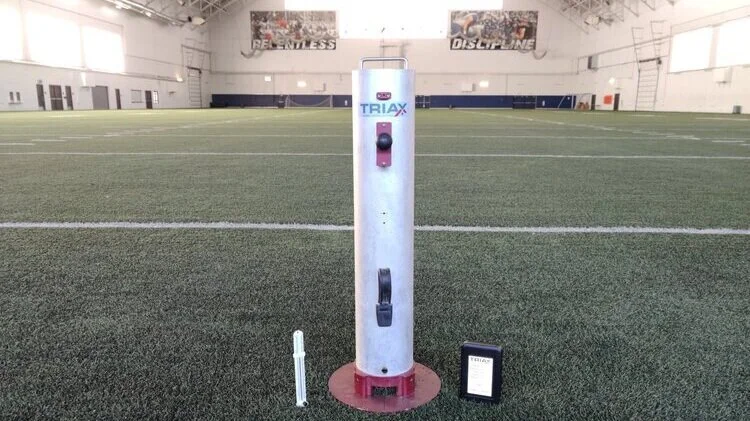
There are many tests available to assess the shock attenuation of your playing surface. The most common currently used in the USA by far is the measurement of GMax utilizing an ASTM F355 missile. This device has not changed much since it was first used back in 1971. It is probably one of the main and often times the only methods of regulating fields currently used. =
Getting Your Artificial Pitch Ready After Lockdown Ends
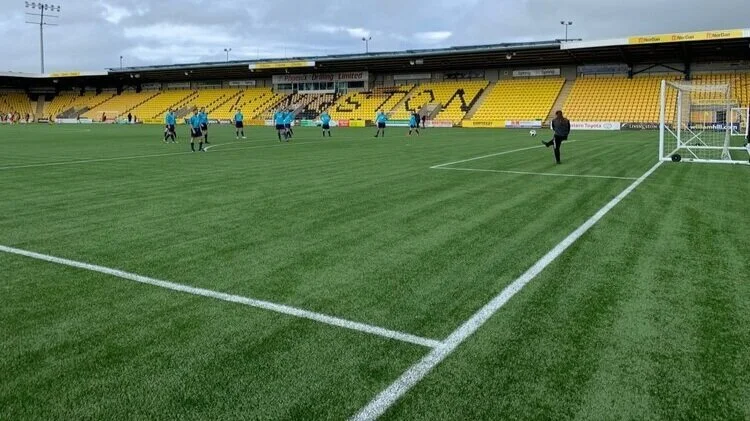
An artificial pitch needs to be regularly maintained to keep it in a safe and acceptable condition for use. Regular brushing and cleaning ensure the playing surface offers the best performance and safety for users. The current Covid-19 restrictions have meant the vast majority of facilities have been closed to users for many months. This could have implications when users are allowed…
Recycling End-of-Life Artificial Turf Fields
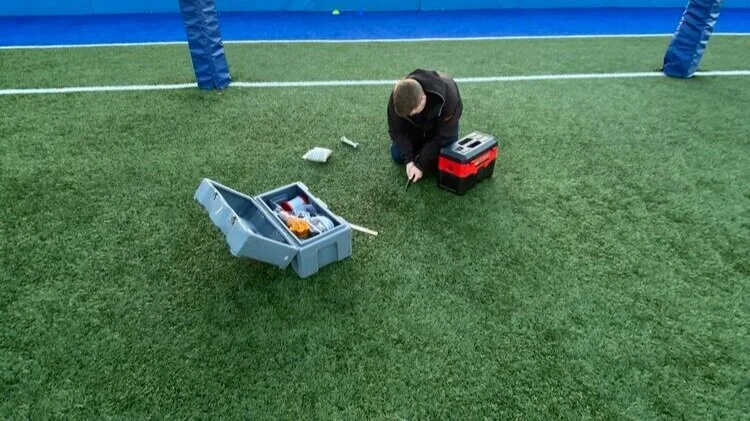
There is much discussion in artificial turf circles about recycling end-of-life fields. In a nutshell, it is both difficult and expensive because of a significant lack of processing plants available in the right locations – ones that can easily cope with the potential demand. Funding is not targeting recycling as a priority. Many have begun to address these issues in Europe where there are…
Advanced Artificial Athlete (AAA): An In-Depth Look

One of the more complex tests performed on a sports surface is the measurement of shock absorption and deformation. The measurements made with an Advanced Artificial Athlete (AAA) attempt to characterise the responses between athlete/surface interaction during a run, stop or cut. The complex biomechanics involved whenever a foot, ankle, knee, and hip engage at…
Ten Most Common Questions About Hybrid Turf

As leading sports surfaces consultants, we get a lot of questions about turf. We’ve compiled a list of the most common questions and asked Eric O’Donnell, our Managing Director, to share his answers. Hybrid Turf has changed a great deal in the last 10 years. We have seen the development of many textile based tufted systems now widely available and the introduction to the market of…
What Lies Beneath? Design From the Ground Up

Making sure the base to your pitch or track is fit for purpose is a very straight forward civil engineering exercise. In the UK research carried out for over 60 years in the highways sector provides transferable design principals to sports facilities construction which means that there are no excuses not to follow proper design principals. Understanding basic design…
The Player As Part Of The Testing Team

Anyone who knows me will know that I am always banging on about wearable technology becoming the next big thing to come into our world of testing artificial and natural turf sports fields. Let’s face it, Sports Labs has tested thousands of fields over the last 20 years using very similar equipment and technology. And as the processes used to build natural grass fields evolved, artificial turf…
Microplastics & Artificial Pitches: The Facts
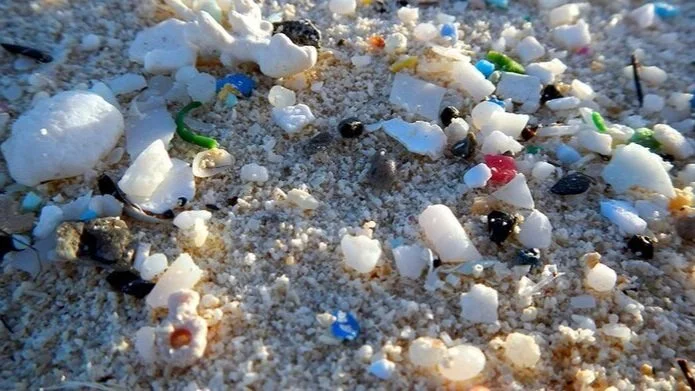
Recently there has been some adverse press concerning microplastics and artificial pitches, so we thought you would be interested in learning more about this issue and how it might affect the industry. We were astounded to learn that a microplastic particle is not that micro. Particles that are smaller than 5mm fall under the definition of a microplastic – so not so little.
Base Design & Construction – Get It Right!
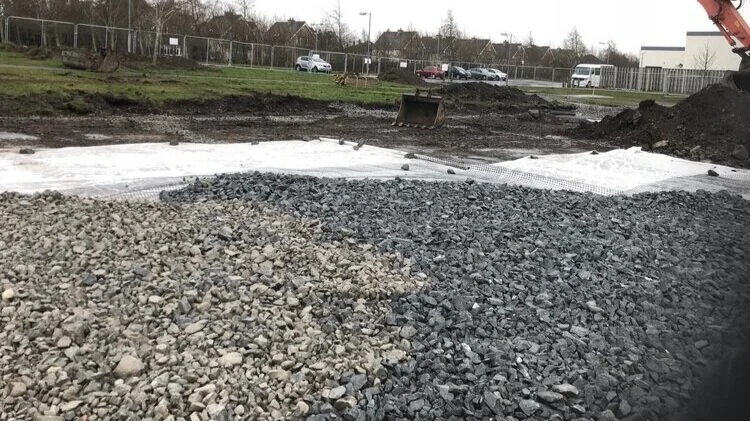
The refurbishment market is now mature and in some countries, this accounts for up to 50% of overall sales. An interesting and worrying observation we see whenever we are involved in the refurbishment of old pitches is the legacy of poor base construction found in facilities that are 10 to 15 years old. More often than not, when the base of an old pitch is exposed we find serious issues with it.